Charge during cheap hours
Set when charging is allowed and benefit from the lowest rates.
Energy prices never stand still. With a dynamic energy contract, electricity at 2:00 PM can be three times as expensive as at 2:00 AM. Still, most electric vehicles continue to charge regardless of the time because no one monitors the rates. Maxem provides you with the tools to change that.
With Power Schedules and charging limits, you determine when and how much is charged. This way, you consciously shift to the cheapest times of the day without losing sight of operations.
Set when charging is allowed and benefit from the lowest rates.
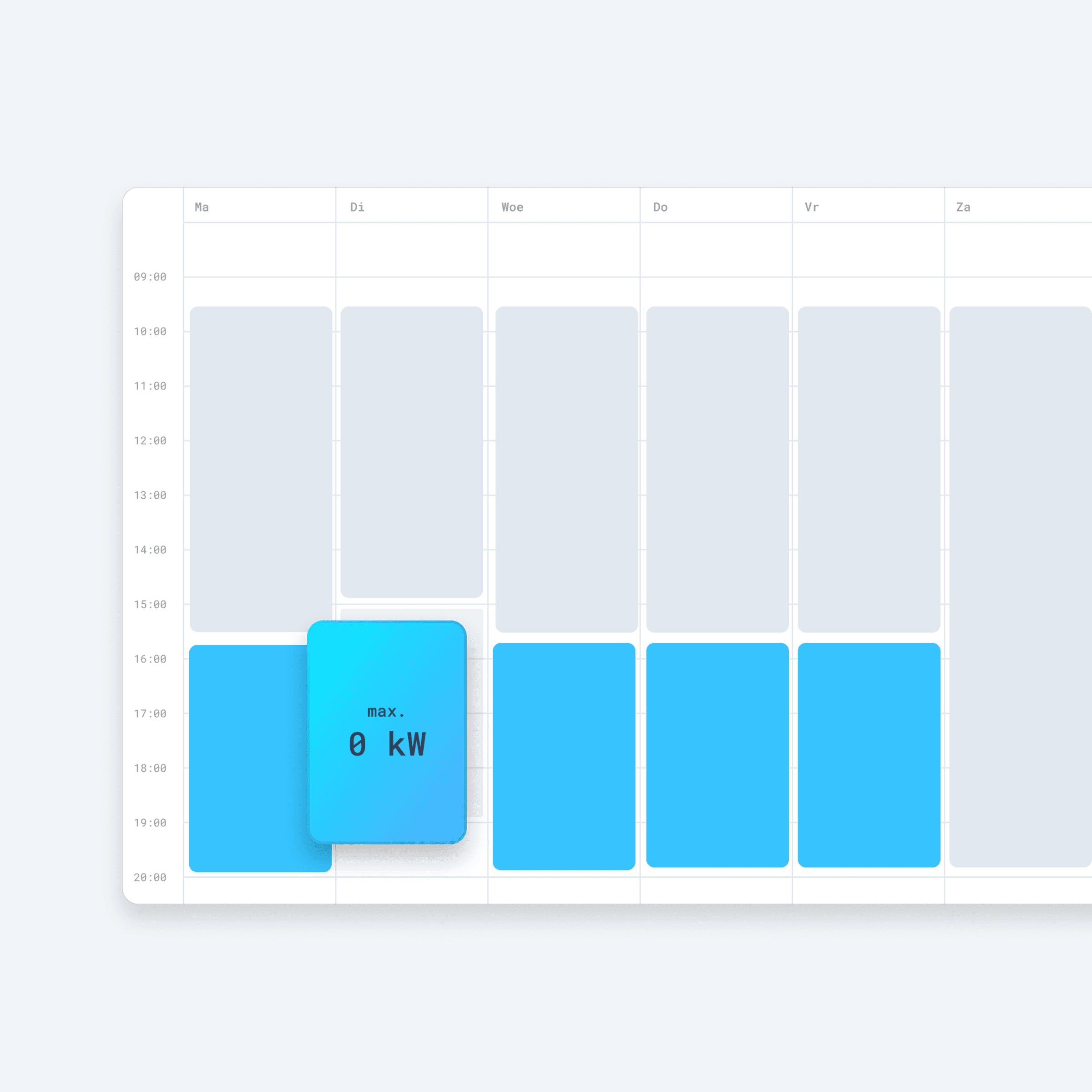
Input a charging strategy once and let Maxem execute it automatically.
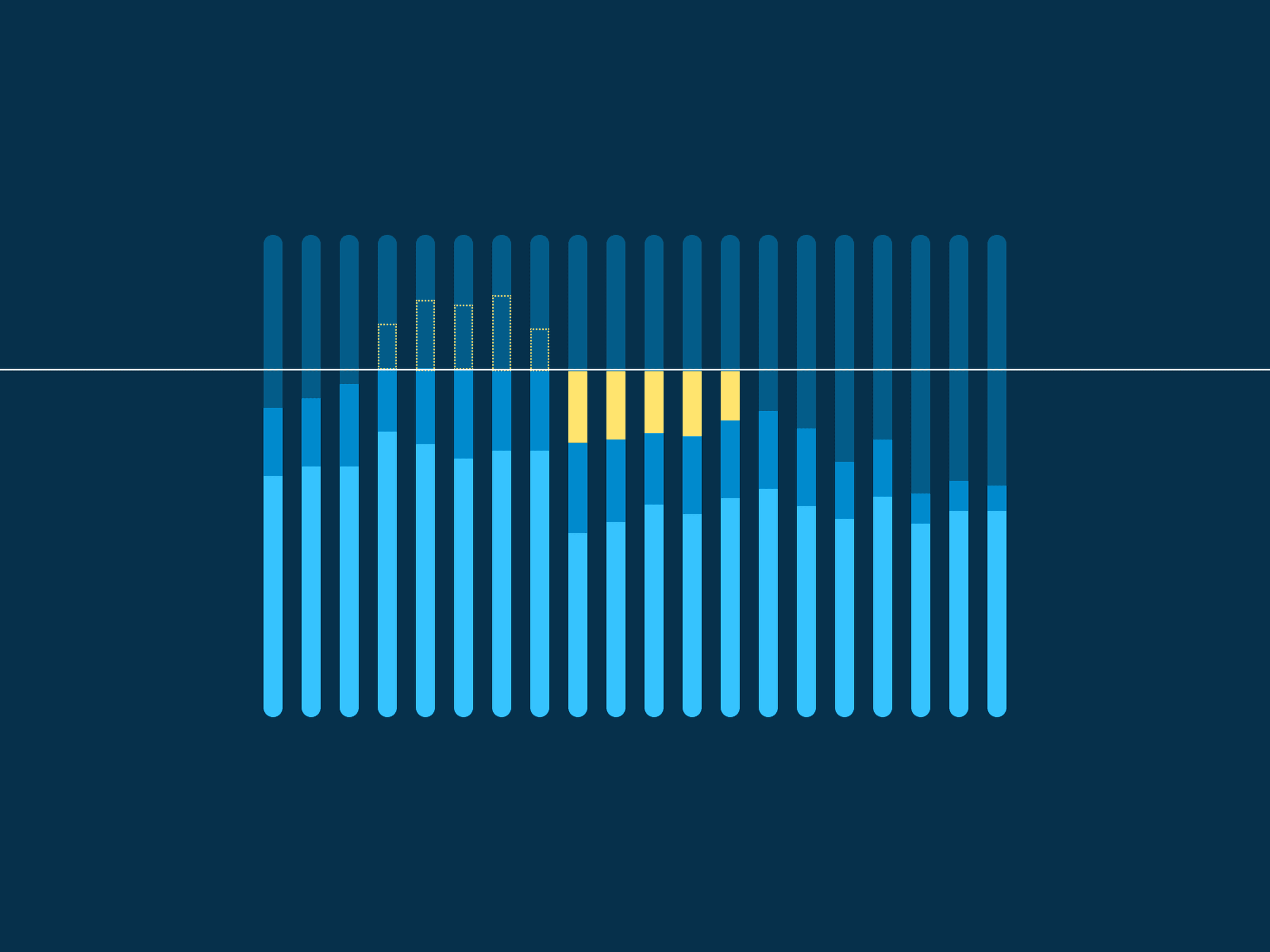
Avoid expensive peak hours and limit load on the grid connection.

Charge smartly based on EPEX, dynamic contracts, and energy markets.
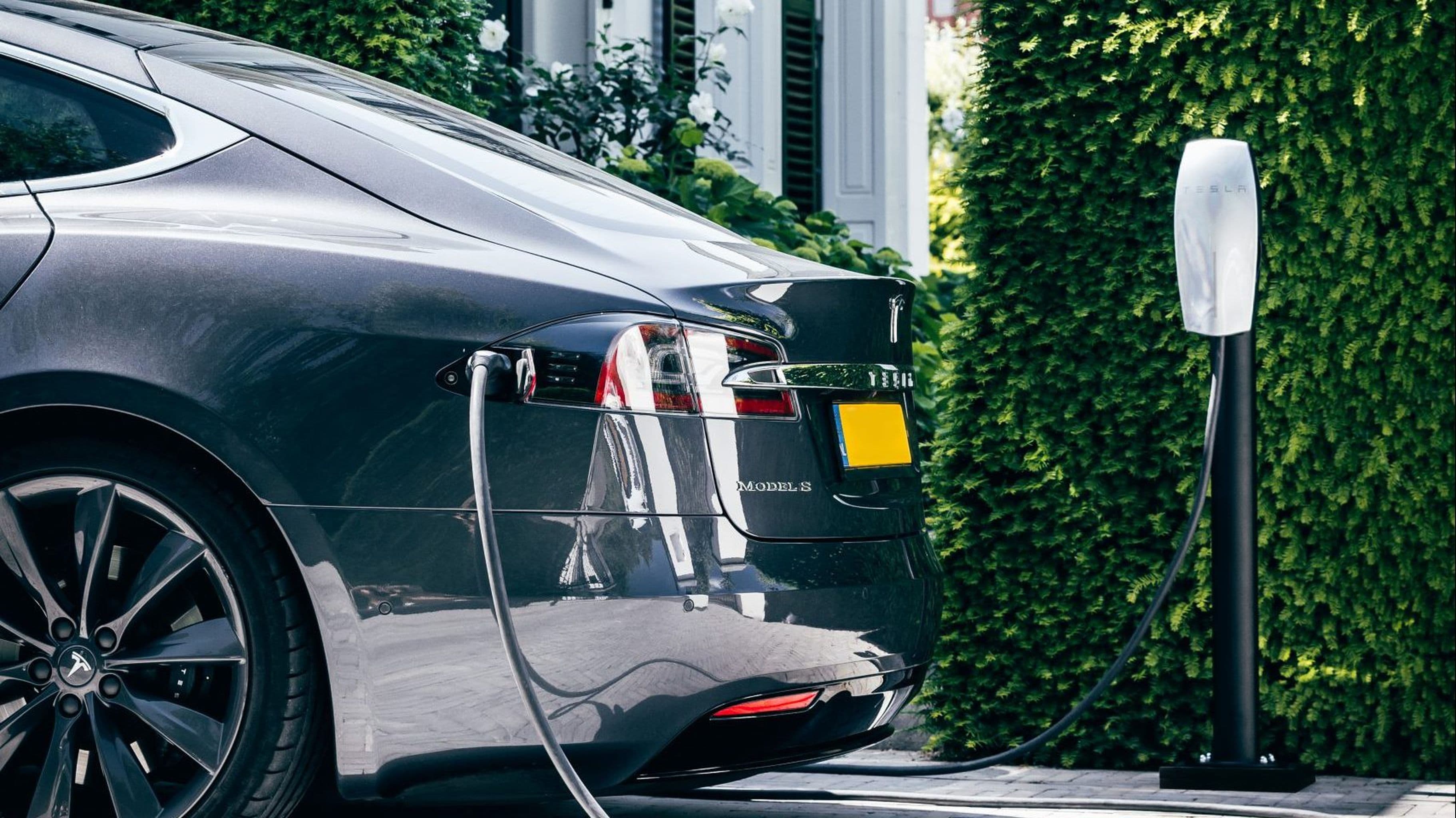
Electric vehicles are often charged immediately once plugged in. This seems logical, but it often occurs during the most expensive hours of the day.
Avoid high energy costs by cleverly planning charging sessions in the Maxem Energy Cloud based on dynamic energy rates, off-peak and peak hours, available grid capacity, solar generation, and departure or trip planning.
As a result, energy consumption automatically shifts to the most favorable times.
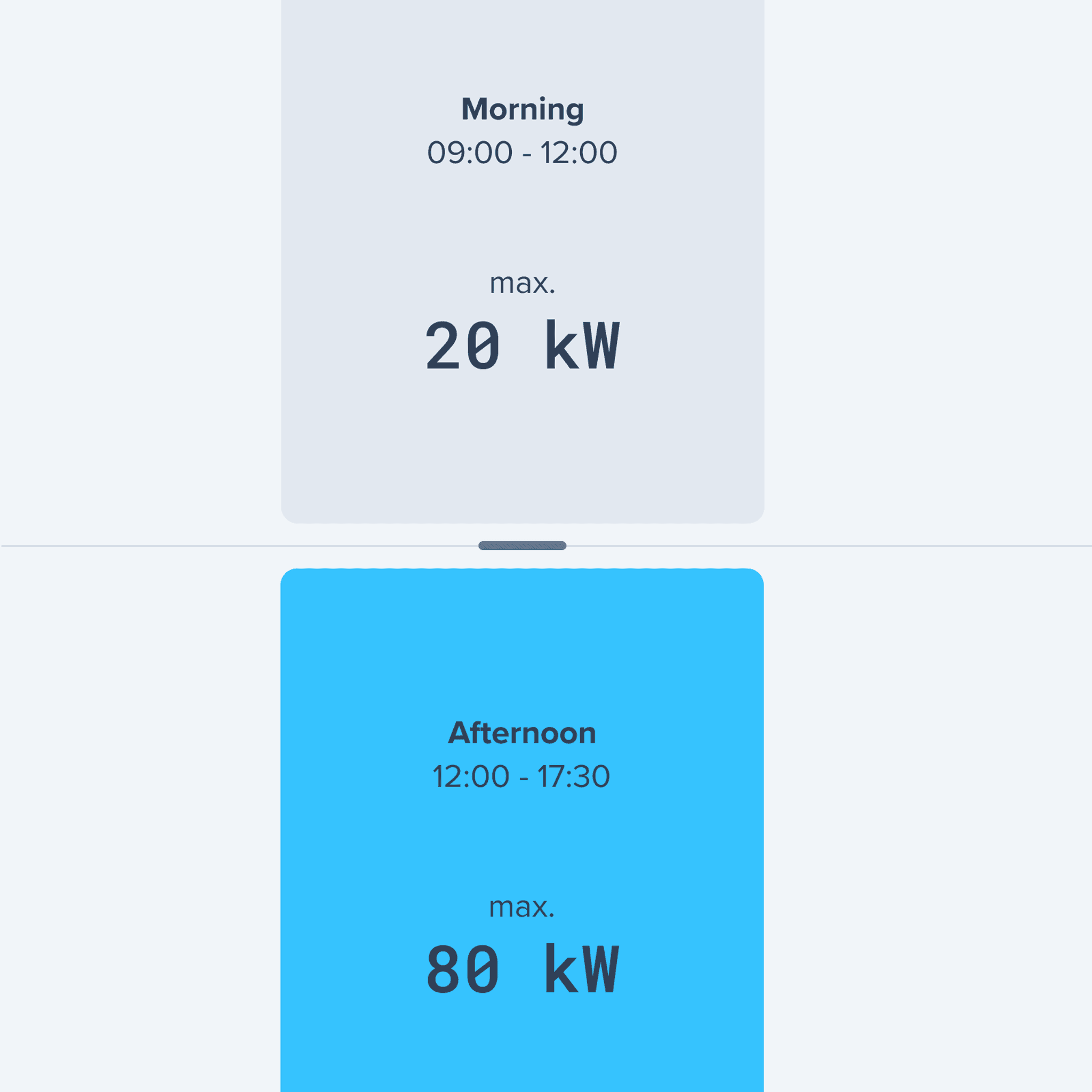
With Power Schedules, you can easily set charging strategies that fit your energy contract or business operations. For example, you can choose to charge less during expensive morning peaks and more at night or off-peak hours. Limit peak load during office hours or adjust available power for daytime when the sun is shining.
This allows organizations to realize an average of up to 10% savings on energy costs.
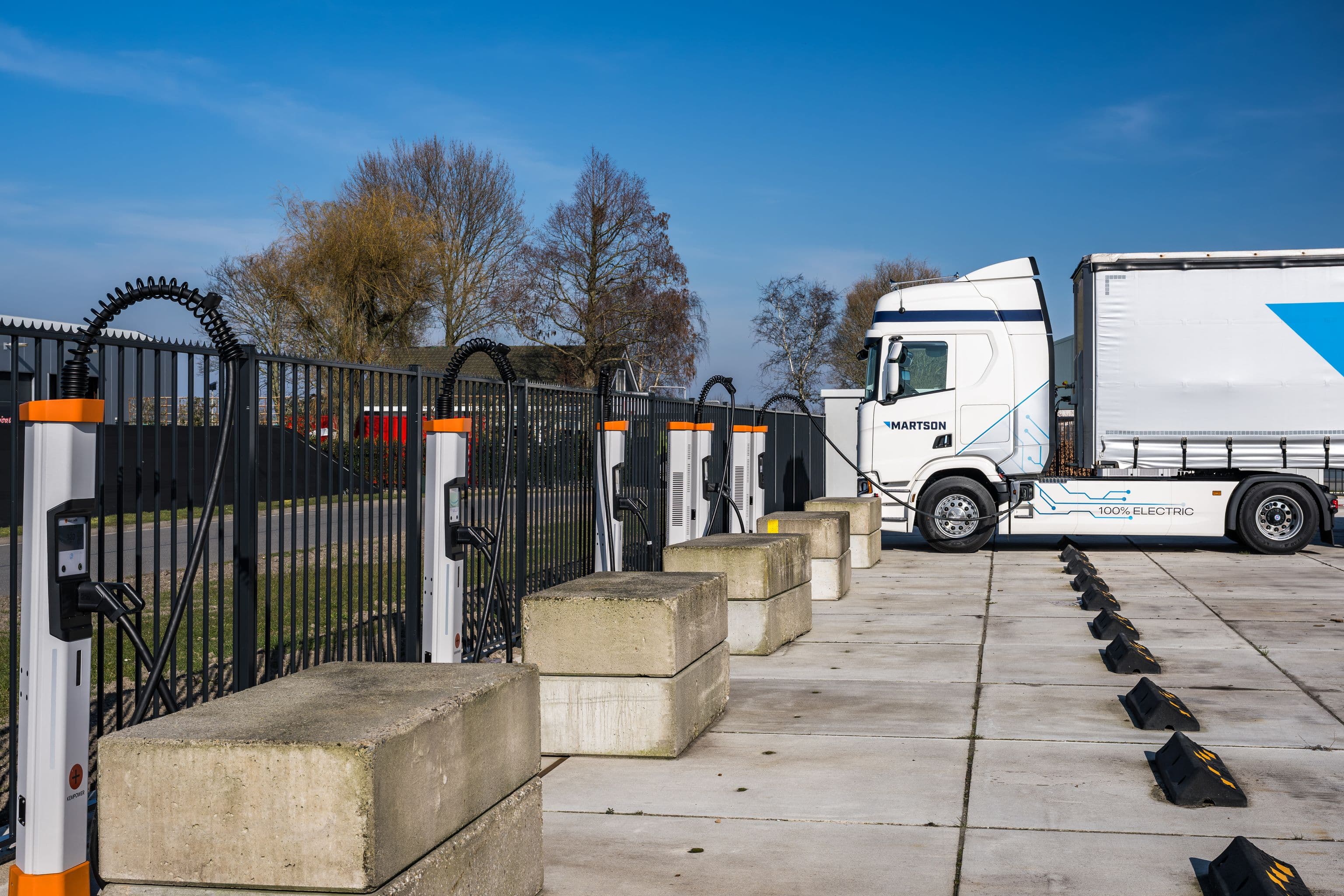
Price-oriented charging is not just about cheap electricity. It’s about smartly balancing between cost, availability, and capacity.
This keeps operations always at the forefront while the system automatically optimizes for cost.
If your organization is waiting for grid reinforcement
If your fleet can mostly charge at night
If you have locations with high peak loads
When you actively want to reduce your energy costs
At logistics hubs with electric vehicles
At locations with solar panels and battery storage
Vul je gegevens hieronder in en bekijk de demovideo.