Load Balancing
More charging capacity and control within the limits of the grid.
Electrification is causing a growing demand for energy, while available network capacity is becoming increasingly scarce. With Load Balancing, Maxem helps organizations use available capacity more efficiently across charging infrastructure. This keeps the energy supply reliable, even during peak times.
Explained
What is Load Balancing?
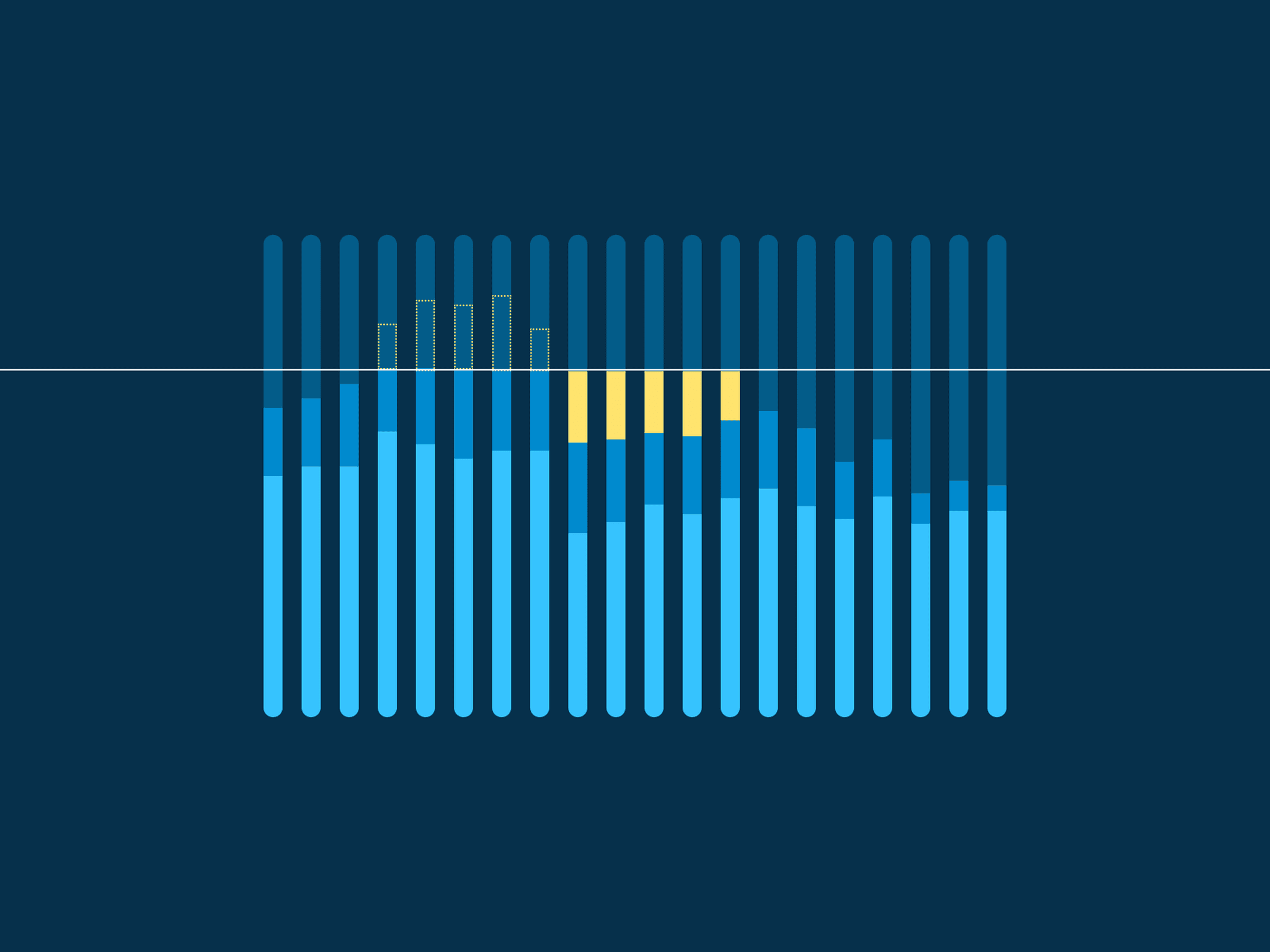
Load Balancing automatically distributes the available power across charging points. Requesting a new heavy connection today means a waiting period of 1 to 2 years — while charging infrastructure still needs to be rolled out. When energy demand rises, the system adjusts in real-time based on available power, set priorities, current energy demand, and operational needs. This results in maximum control over energy consumption within existing network capacity.
Grid congestion
Why Load Balancing is becoming increasingly important
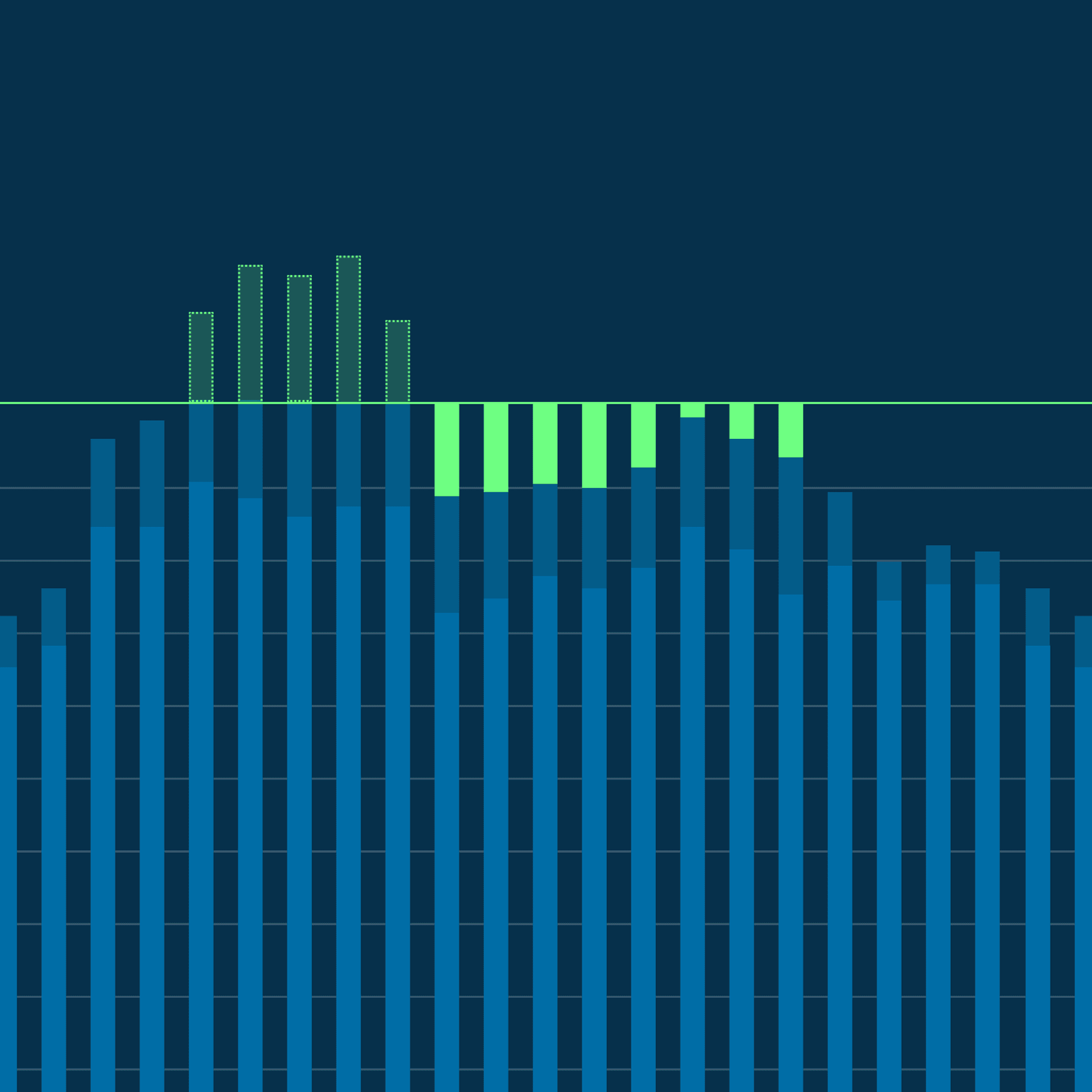
Grid congestion and electrification put pressure on the energy grid. Without active management, there is a risk of overloading, higher peak costs, limited expansion possibilities, and unreliable charging performance. Many organizations still have sufficient potential within their existing connection but lack insight and control over capacity. Load Balancing provides that control.
Explained
The Maxem approach
Energy demand requires management.
Many organizations operate with separate systems that do not cooperate sufficiently. Maxem brings together energy management, charging infrastructure, and energy assets in an integrated platform. Not as an additional tool, but as a central management layer above the energy system.
In doing so, we work with standardized protocols for controlling chargers; we have now integrated more than 40 charging station manufacturers. We are happy to think along with which solution best fits the location: from over-the-air static load balancing to a local solution via our Dynamic Load Management software.
- Real-time insight into capacity
- Active control over energy consumption
- Reliable charging performance
- Prepared for further growth
Dynamic vs. Static
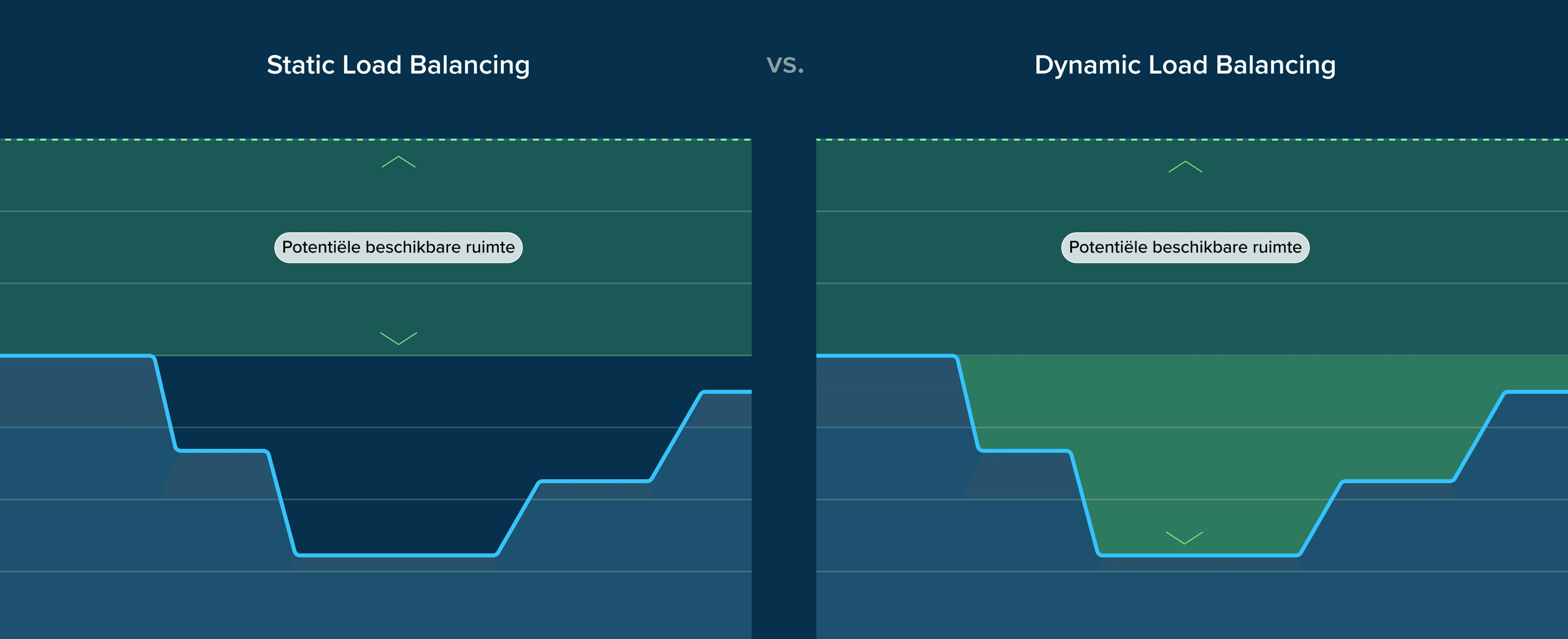
The difference between DLB and SLB
Load Balancing automatically distributes the available power over charging points. Applying for a new heavy connection today means a waiting period of 1 to 2 years — while charging infra still needs to be rolled out. When energy demand increases, the system controls in real-time based on available power, set priorities, current energy demand, and operational needs. This ensures maximum control over energy consumption within existing network capacity.
Hoe Maxem het maximale uit je aansluiting haalt
Bij zowel Static als Dynamic Load Balancing gebruikt Maxem een aantal slimme principes om optimaal met je beschikbare vermogen om te gaan. Zo benut je je aansluiting volledig, zonder ooit over je netcontract heen te gaan.
Smart Queuing
Een laadpunt heeft een minimale hoeveelheid vermogen nodig om een sessie te starten. Zit je tegen de grens van je beschikbare vermogen aan, dan kan het zijn dat er even niet genoeg ruimte is voor een nieuwe sessie. Maxem zet die sessie dan automatisch in een virtuele wachtrij. Zodra een andere sessie stopt of er capaciteit vrijkomt, krijgt de wachtende sessie alsnog vermogen toegewezen. Zo kun je méér laadpunten op één locatie plaatsen, zonder de grenzen van je aansluiting te overschrijden.
Slim inspelen op de werkelijke vraag
Elke auto heeft een eigen laadlimiet en laadt op zijn eigen tempo. Maxem houdt continu bij hoeveel vermogen elke sessie écht nodig heeft en verdeelt op basis daarvan. Een langzaam ladende auto krijgt niet onnodig veel vermogen toegewezen, die ruimte gaat naar voertuigen die er wel direct gebruik van maken. Resultaat: een maximaal benut laadplein, zonder verspilde capaciteit.
Volledige controle in eigen hand
Via het Maxem-platform stel je eenvoudig prioriteiten in voor specifieke laadpunten of laadsessies. Met Power Schedules bepaal je bovendien zelf hoeveel vermogen er op welk moment van de dag of week beschikbaar is, handig om bijvoorbeeld te sturen op dure energie-uren of operationele piekmomenten. Zo levert Maxem op elke locatie maximale waarde, afgestemd op jouw situatie.
Benefits of Load Balancing
More charging points within existing network capacity:
Get more out of your current connection without needing immediate upgrades.
Prevent overloading of the power grid
Automatically and reliably distribute capacity during peak times.
Reliable operations
Ensure vehicles, locations, and processes remain operational.
Prepared for further electrification
Grow controlled without additional complexity.
Insight into energy consumption and capacity
Get a real-time overview of consumption per charging point, energy flows, and loads.
Continuous protection with Grid Guard
Our local controller detects and corrects grid exceedances directly on-site — even in the event of a lost connection with the cloud. No competitor offers comparable on-site security.
Get more out of available network capacity?
Discover how Load Balancing helps to distribute energy smarter.